UK Punters Chase New Thrills: Surging Trends and Headlines Reshaping the Betting Landscape - 1775380020408
UK Gambling Commission Appoints Sue Young as Operators Brace for 40% Tax Hike and Market Shifts

A Key Appointment at a Pivotal Moment
The UK Gambling Commission announced on March 16, 2026, the appointment of Sue Young as its new Executive Director of Operations, a move that positions her to steer major regulatory changes through turbulent times; Young steps into the role tasked specifically with leading the rollout of "frictionless" financial risk checks alongside implementation of the forthcoming 40% Remote Gaming Duty, both set to reshape the landscape as they take effect on April 1, 2026. Observers note this timing aligns closely with mounting pressures on the industry, where operators face squeezed margins and compliance demands that have already prompted several exits from the UK market.
Young brings extensive experience from prior roles in financial services and regulatory oversight, qualities that regulators highlight as essential for navigating the complexities of these new mandates; her leadership comes at a juncture when the Commission seeks seamless integration of risk assessment tools without disrupting customer experiences, a balance that's proven challenging in recent pilots. And while details on her exact strategies remain forthcoming, the appointment signals a firm commitment to enforcing affordability measures that aim to curb problem gambling while maintaining operational efficiency.
Frictionless Financial Risk Checks: What They Entail
These "frictionless" checks represent an evolution in how operators verify player affordability, relying on advanced data analytics and API integrations to assess financial vulnerability in real-time without requiring manual document submissions or halting play; the approach, mandated under updated LCCP guidelines, promises to flag high-risk behaviors swiftly, allowing deposits and bets to proceed smoothly for most users while intervening only where necessary. Data from early trials indicates processing times drop to seconds per check, a stark improvement over previous friction-heavy models that frustrated players and operators alike.
But here's the thing: although designed for minimal intrusion, the system demands operators upgrade backend infrastructure significantly, costs that smaller firms struggle to absorb especially with concurrent tax pressures building; experts who've analyzed similar rollouts in other sectors point out that such tech-driven compliance often weeds out less-resourced players, consolidating market share among bigger entities better equipped for the tech spend. Turns out, by April 2026, every licensed remote operator must comply fully, or risk license revocation, a reality that's already influencing strategic decisions across the board.
The 40% Remote Gaming Duty: A Game-Changer Effective April 1
Sweeping in alongside the checks, the new 40% Remote Gaming Duty marks a substantial increase from prior rates, applying to gross gambling yield from online activities and poised to extract billions more in revenue for the Treasury starting April 1, 2026; figures from industry projections reveal this hike could add up to 20% to operators' effective tax burdens when layered atop existing Point of Consumption levies, squeezing profitability in a sector already grappling with stringent advertising curbs and bonus restrictions. The Betting and Gaming Council (BGC), fresh from its March 2026 Annual General Meeting, issued stark warnings about the fallout, labeling the tax as a catalyst for market contraction that threatens jobs and consumer choice.
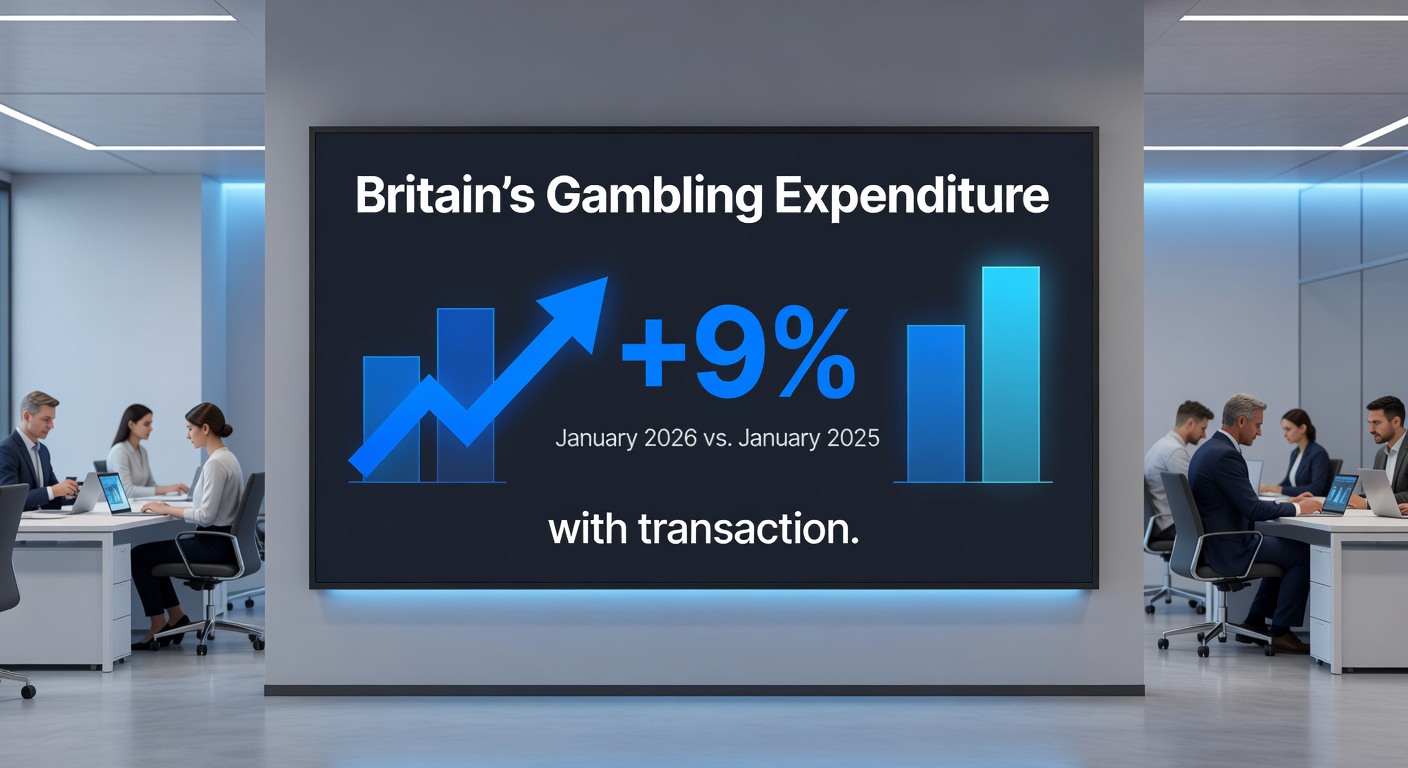
What's interesting is how this duty targets remote operations specifically, sparing land-based venues and potentially shifting competitive dynamics toward high-street bookmakers; BGC data highlights that online yields, which comprise over 40% of the total market, now face the brunt, prompting operators to recalibrate pricing, promotions, and even product offerings to stay viable. One study from industry analysts underscores that for every percentage point in tax rise, average operator margins shrink by 0.5-1%, a math that's unsustainable for many mid-tier players already operating on thin lines.
BGC's Post-AGM Alert: Market Contraction and Operator Withdrawals
Following its March 2026 AGM, the BGC didn't mince words, cautioning that the tax escalation is accelerating a wave of licensed operators shuttering UK-facing operations by month's end; several firms, including brands formerly under Aspire Global's umbrella post its 2022 acquisition and rebranding efforts, confirmed their full withdrawal, citing costs that have rendered the market unprofitable despite years of investment in compliant platforms. These exits compound a trend where player numbers on affected sites plummet overnight, handing traffic to survivors who can shoulder the load.
Take the case of those ex-Aspire entities: once key players in diverse gaming portfolios, they now pivot resources elsewhere, like emerging European markets with lighter fiscal touches; BGC spokespeople emphasized at the AGM that such contractions erode competition, potentially leading to higher odds margins for remaining punters and fewer innovative features. And with more announcements expected before April's dawn, the sector braces for a leaner roster, where only the most robust endure the dual hit of tech overhauls and fiscal squeezes.
Mixed-Product Bonuses Banned: Another Layer of Restriction
Compounding the pressures, a ban on mixed-product bonuses activated in March 2026, prohibiting operators from tying casino rewards to sports betting requirements or vice versa; this rule severs cross-promotions that once drove multi-product engagement, forcing siloed offers that limit marketing flexibility and player incentives across verticals. According to industry reports, the change stems from concerns over disguised inducements masking risky behaviors, with regulators enforcing it to promote transparent, product-specific promotions only.
Operators who've adapted note a dip in cross-sell rates by up to 30%, as punters no longer unlock slots free spins via football accumulators, a staple tactic that's now off-limits; yet the policy aligns with broader LCCP aims to protect vulnerable users, ensuring bonuses genuinely reflect standalone value rather than bundled traps. Now, as April 2026 unfolds, firms scramble to redesign loyalty schemes under these constraints, all while Sue Young's team oversees the bigger compliance picture.
Broader Implications as April 2026 Approaches
So with Young at the operational forefront, the Commission eyes a transformed ecosystem where frictionless checks and the 40% duty enforce fiscal responsibility on a grand scale; BGC's warnings echo through boardrooms, where executives weigh UK pullouts against global opportunities, often landing on the latter when numbers don't add up. People in the know observe that survivor operators invest heavily in AI-driven personalization to offset lost revenue, crafting hyper-targeted experiences that comply yet captivate.
It's noteworthy that land-based sectors watch closely, potentially gaining as online rivals thin out; data suggests a 5-10% uptick in retail footfall could follow if digital options dwindle, though overall industry GGR faces headwinds from the tax wallop. Those who've tracked past reforms recall how similar overhauls in 2019 spurred consolidation, a pattern repeating here with heightened stakes.
Conclusion
Sue Young's March 16, 2026, appointment caps a whirlwind of regulatory pivots, from frictionless checks and the 40% Remote Gaming Duty kicking in April 1 to BGC-flagged contractions and the fresh bonus ban; operators like former Aspire Global brands exit stage left, leaving a market that's leaner, tech-heavier, and fiercely competitive. Regulators push forward with safeguards intact, while the industry adapts or folds, setting the tone for what's next in UK gambling's evolving story.