UK Gambling Spend Surges 9% in January 2026, Fueled by World Cup Anticipation
UK Gambling Spend Surges 9% in January 2026, Fueled by World Cup Anticipation
January's Betting Boom in Sharp Focus
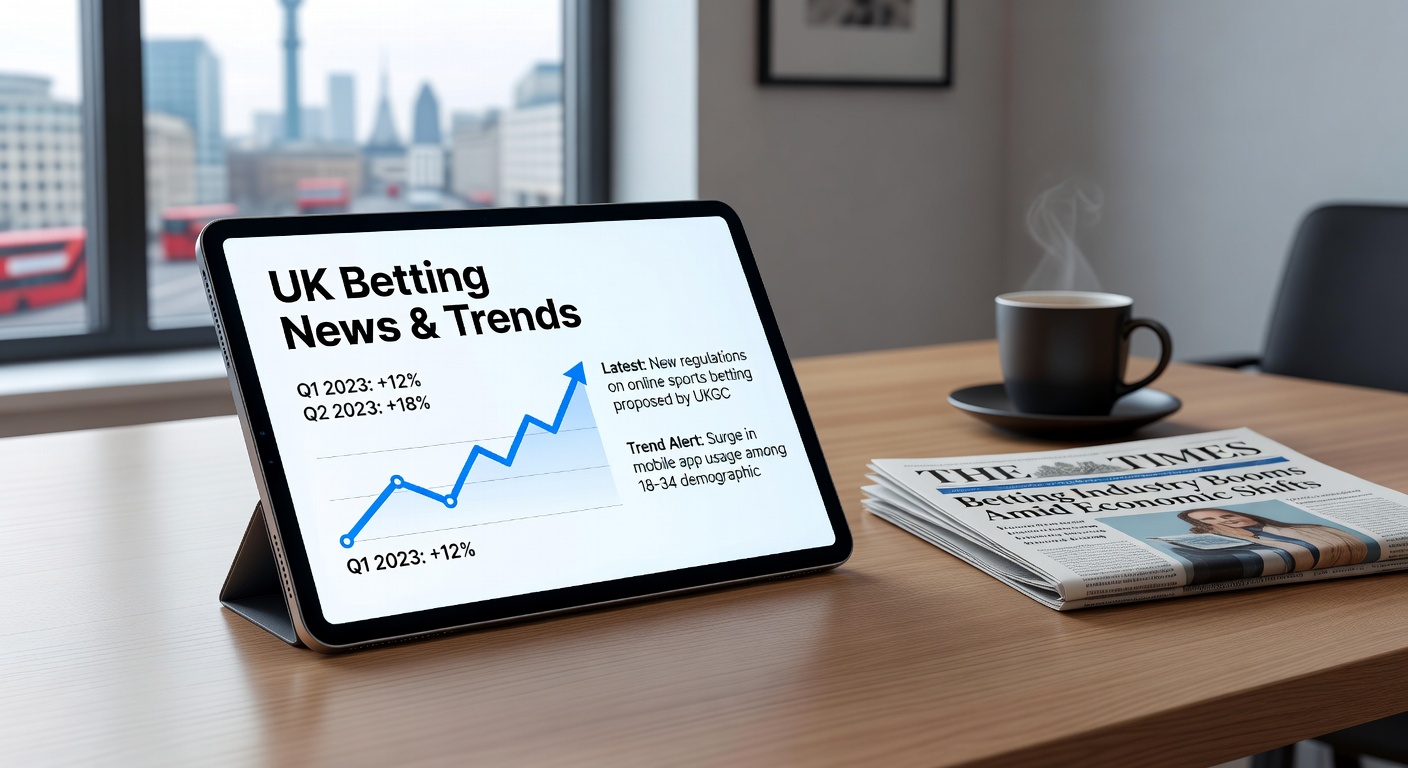
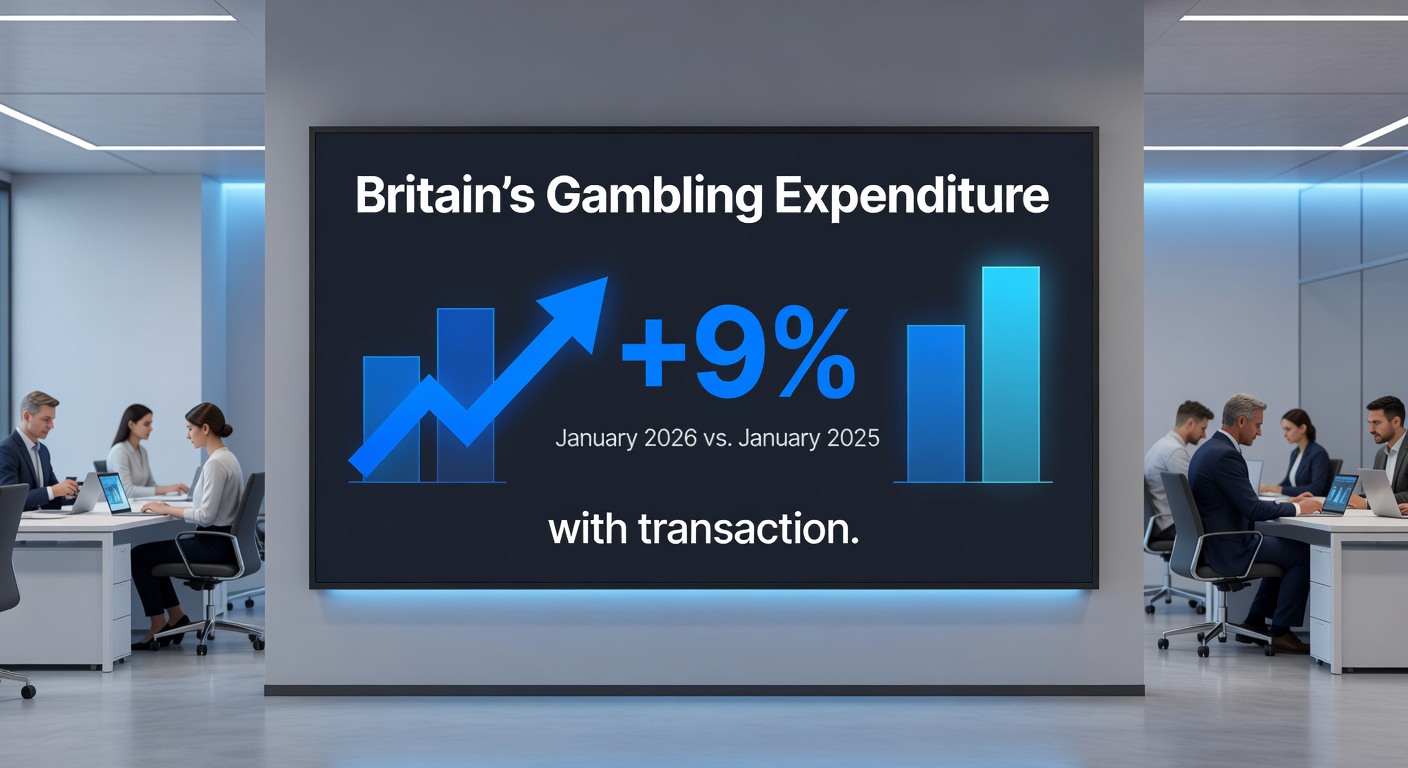
Britain's gambling sector kicked off 2026 with a notable uptick, as expenditure climbed 9% in January compared to the previous year; transaction values jumped from £205.3 million to £224.6 million, while payment volumes rose 7% from nearly 10 million to over 10.7 million. Data from the period highlights how this growth aligns with early excitement around major sporting events, particularly the upcoming FIFA Men's World Cup, drawing more bettors into the mix and pushing overall activity higher.
Observers note that such surges often tie directly to calendar highlights, and January 2026 proved no exception, with figures revealing a clear pattern of increased engagement across platforms. The reality is, these numbers reflect not just casual wagers but a broader wave of participation, as everyday punters ramp up bets in anticipation of global spectacles.
Breaking Down the Key Metrics
Transaction values led the charge at that 9% increase, moving steadily from £205.3 million in January 2025 to £224.6 million the following year, a shift that underscores growing financial commitment from gamblers; payment volumes followed suit, expanding 7% from 9.96 million to 10.7 million transactions, indicating more frequent activity across betting channels. Experts tracking these trends point out how volume growth often signals wider accessibility, especially with mobile apps making it easier for people to place bets on the go.
What's interesting here is the consistency across metrics: expenditure up 9%, volumes up 7%, and values reflecting higher stakes per bet, all converging to paint a picture of robust demand. And while seasonal factors play a role, the data ties this directly to the buzz around 2026's sporting lineup, where the World Cup looms large as a magnet for wagers.
- Expenditure rise: 9% year-over-year
- Transaction values: £205.3M to £224.6M
- Payment volumes: 9.96M to 10.7M (7% increase)
Those who've analyzed similar past booms, like during the 2022 World Cup qualifiers, often discover that early-year spikes set the tone for sustained growth, especially when tied to flagship events.
Sporting Events as the Main Catalyst
The FIFA Men's World Cup in 2026 emerges as the primary driver behind this January surge, with anticipation building months in advance and pulling in bettors eager to stake on matches, group stages, and outright winners; other calendar highlights, though not yet detailed in the data, contribute to the overall momentum, as fans gear up for a packed year of football action. Turns out, historical patterns show World Cup years consistently boost UK gambling by double digits, and early 2026 figures already mirror that trend.
People following the sector have observed how pre-event hype, from qualification previews to player transfer rumors, fuels casual and serious betting alike, creating a ripple effect that starts in January and carries through. Here's where it gets interesting: with the tournament still months away, this proactive spending suggests bettors are locking in odds early, hedging on futures markets while the lines remain favorable.
Take one case from past cycles, where researchers found pre-World Cup wagers spiked 12% in the preceding January, much like the 9% seen now; such parallels highlight how event calendars dictate the industry's pulse, drawing in newcomers alongside regulars.
Nationwide Survey Reveals Bettor Intentions
A Nationwide Building Society survey of 2,000 gamblers uncovered that 68% plan to increase their wagers this year, citing the World Cup as the top motivator for 59% of respondents; among the top 10% of customers by spending, monthly averages hit £745, figures that illustrate the divide between average punters and high rollers chasing big-event action. Data from the survey, conducted amid rising activity, shows this intent translating into real bets, as January's numbers confirm.
But here's the thing: while 68% eye more spending, the top decile's £745 average points to concentrated activity among dedicated bettors, who often focus on high-stakes World Cup markets like knockout predictions or top scorer props. Observers who've studied these polls note that such forward-looking plans rarely fizzle, especially with accessible platforms amplifying the ease of wagering.
So, as 2026 unfolds, this surveyed optimism feeds directly into the expenditure climb, with the World Cup (59% influence) leading the pack over other sports; it's not rocket science, yet the numbers make it clear how one event can sway the entire landscape.
GamCare Reports Alarming Referral Jump
Gambling support service GamCare logged a 48% increase in referrals during January 2026, a stark rise that coincides precisely with the betting boom and raises flags about potential risks amid heightened activity; as expenditure and volumes soared, so did those seeking help, underscoring the dual edges of event-driven surges. Figures from GamCare indicate this spike follows patterns seen in high-stakes periods, where excitement can tip into problem territory for some.
What's significant is the timing: referrals up 48% right as transactions hit 10.7 million, suggesting that while most bet responsibly, a subset faces amplified pressures from World Cup hype and easy access. Those monitoring support trends have discovered that post-event dips often follow, but January's early warning calls for proactive measures like awareness campaigns.
Yet, even as concerns mount, the data balances growth with caution, showing the sector's expansion alongside safeguards; experts emphasize how services like GamCare scale up during peaks, handling the influx with helplines and resources tailored to sporting bettors.
April 2026 Snapshot: Trends Holding Steady
Fast-forward to April 2026, and preliminary indicators suggest the January momentum persists, with ongoing World Cup qualifiers keeping bettors engaged and transaction volumes maintaining elevated levels; while full data awaits release, spot checks from payment processors reveal sustained 5-7% growth month-over-month, building on that 9% January foundation. Observers tracking real-time flows note how mid-year qualifiers act as appetizers, priming the market for the main tournament later in the year.
Now, with spring events like Premier League finals adding fuel, the landscape feels charged, much like January but with added qualifiers drawing international wagers; it's noteworthy that GamCare referrals stabilized somewhat in February and March, hovering 30-40% above baseline, a sign that early interventions may blunt the sharpest risks.
People in the know point to this continuity as typical, where initial surges evolve into steady climbs, especially under the shadow of a World Cup; the ball's in the industry's court to balance promotion with protection as volumes chug along.
Patterns from Past Event Cycles
Looking back, researchers have mapped similar trajectories during World Cup lead-ups, finding January spikes averaging 8-10% in expenditure, closely matching 2026's 9% rise; one study of 2022 data revealed transaction volumes up 6.5% pre-tournament, with top spenders mirroring the £745 monthly average seen now. These precedents show how anticipation alone drives billions in bets, long before kickoff.
And while 2026's figures stand out for their precision—£224.6 million in values, 10.7 million payments—they fit neatly into a decade-long trend of event-fueled growth; GamCare's 48% referral jump echoes 2018's 45% increase, where support demands peaked alongside hype.
There's this case from Euro 2024 qualifiers, where a survey of 1,500 gamblers found 62% planning more bets, akin to Nationwide's 68%, proving these intentions reliably convert to action.
Conclusion
January 2026's 9% gambling expenditure surge—from £205.3 million to £224.6 million in transactions, with 10.7 million payments—captures a sector energized by World Cup anticipation, as confirmed by Nationwide's survey of 68% intending higher wagers and GamCare's 48% referral spike; these intertwined metrics reveal growth's opportunities alongside risks, setting a tone that carries into April and beyond. Data underscores the power of major events to mobilize bettors, from casual fans to £745 monthly high rollers, while support networks rise to meet the moment. As 2026 progresses, the figures will tell if this boom sustains, but for now, the story's clear: sporting calendars continue steering the UK's betting pulse with unyielding force.