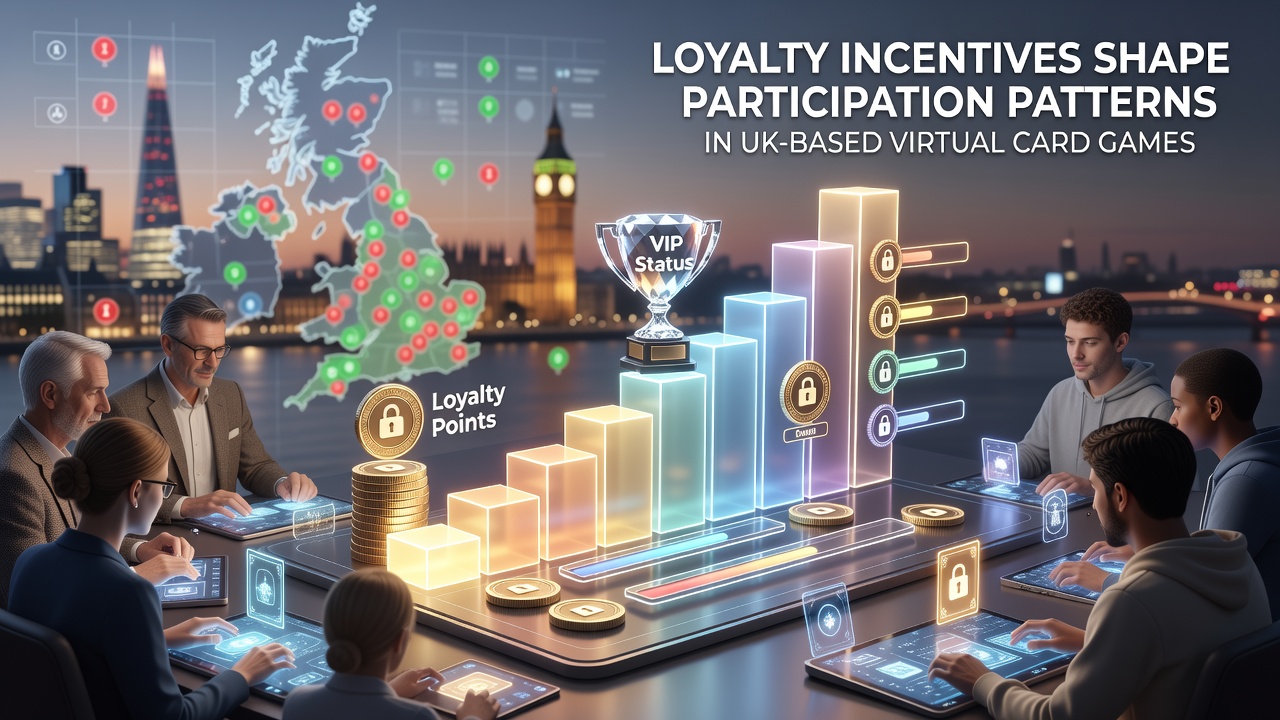
Reward Structures Driving Engagement Trends Among UK Players of Online Card Games
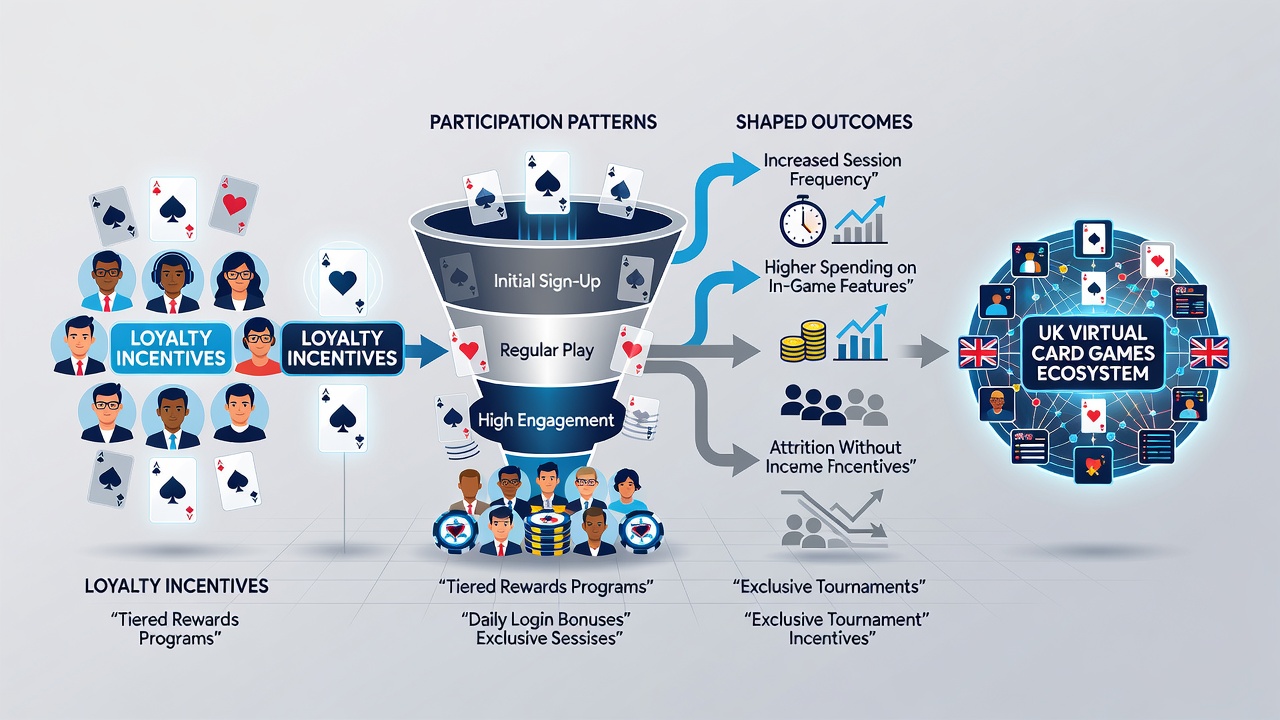
Participation patterns in UK-based virtual card games have shifted noticeably as loyalty incentives become more integrated into platform design, and researchers tracking user data note consistent correlations between reward tiers and session frequency. These programs typically award points for time spent playing, hands completed, or deposits made, then convert those points into cashback, free entries, or exclusive tournament access. Data collected across multiple platforms shows that players who reach mid-level tiers tend to log in more regularly than those at entry stages, while high-tier members demonstrate longer average session durations according to aggregated industry reports.
Mechanics Behind Point Accumulation and Redemption
Virtual card game operators structure their loyalty systems around progressive tiers that unlock additional benefits, and this layered approach encourages sustained activity because each new level requires incremental point thresholds that reset on a monthly or quarterly cycle. Players accumulate points through standard gameplay actions such as participating in cash tables or sit-and-go events, while bonus multipliers apply during promotional windows that often coincide with peak evening hours. Redemption options range from immediate cash equivalents to entry into invite-only events, and analysts observe that redemption flexibility correlates with higher retention rates in datasets spanning several years of operation.
Studies from research institutions indicate that clear visibility of progress toward the next tier motivates continued play, particularly when platforms display real-time counters and projected rewards. Those who have examined user logs find that reminders sent via app notifications increase the likelihood of return visits within 48 hours, especially among users who have already invested in lower tiers. The structure avoids abrupt resets that might discourage momentum, instead offering grace periods or carry-over options in many cases.
Observed Shifts in Session Frequency and Duration
Participation data reveals that loyalty incentives influence not only how often users log in but also the types of games they select once inside the platform. Players chasing tier advancement frequently gravitate toward higher-volume formats like multi-table tournaments or rapid-fire cash games because these deliver points at a faster rate per hour. Figures from platform analytics show average session length increasing by measurable margins once users cross into the second or third tier, and this pattern holds across different age groups represented in the user base.
What's interesting is how incentives affect weekend versus weekday behavior, since mid-week promotions often target slower periods with boosted point rates while weekend events emphasize larger prize pools tied to tier status. Observers tracking these trends note that users who qualify for weekend exclusives show higher cross-game exploration, trying new card variants they might otherwise skip. This diversification appears in logs where players expand beyond their usual preferred variant after unlocking related rewards.
Comparative Data from Broader Gaming Markets
Reports compiled by groups such as the Australian Gambling Research Centre highlight similar patterns in loyalty-driven engagement across digital card formats, and these findings align with observations in UK markets where reward visibility drives repeat participation. Another source, a longitudinal study released by the University of Nevada's gaming research division, documents how tiered systems sustain activity even during off-peak seasons, with participants maintaining consistent play volumes when redemption value remains high. Such cross-regional comparisons help clarify which elements transfer effectively between different regulatory environments.
As of July 2026, updated platform metrics continue to show tiered rewards producing measurable lifts in daily active users, particularly when combined with personalized milestone celebrations that acknowledge individual progress. These celebrations take forms like custom badges or small surprise bonuses, and they reinforce the sense of advancement without requiring additional spending from the player.
Demographic Variations in Response to Incentives
Different age cohorts respond to loyalty features at varying rates, with younger users showing stronger reactions to social recognition elements such as leaderboards tied to tier status while older participants prioritize straightforward cashback percentages. Platform data segmented by registration year indicates that users who joined after 2023 engage more readily with mobile-optimized reward dashboards, reflecting broader shifts toward app-based interaction. Those tracking these segments report that tailored incentive messaging improves conversion from casual to regular participation across most groups.
Conclusion
Loyalty incentives continue to shape how participants interact with UK virtual card game environments through structured progression, flexible redemption, and targeted promotions that align with observed behavioral rhythms. Evidence from multiple data sources demonstrates consistent links between tier advancement and increased session metrics, while cross-market studies provide context for why certain designs sustain engagement more effectively than others. As platforms refine these systems further, participation patterns are likely to evolve in response to new reward mechanics that emphasize personalization and accessibility.