Nationwide Building Society Flags Sharp Rise in UK Gambling Transactions Ahead of Packed 2026 Sports Schedule
Nationwide Building Society Flags Sharp Rise in UK Gambling Transactions Ahead of Packed 2026 Sports Schedule

January 2026 Data Signals Betting Boom
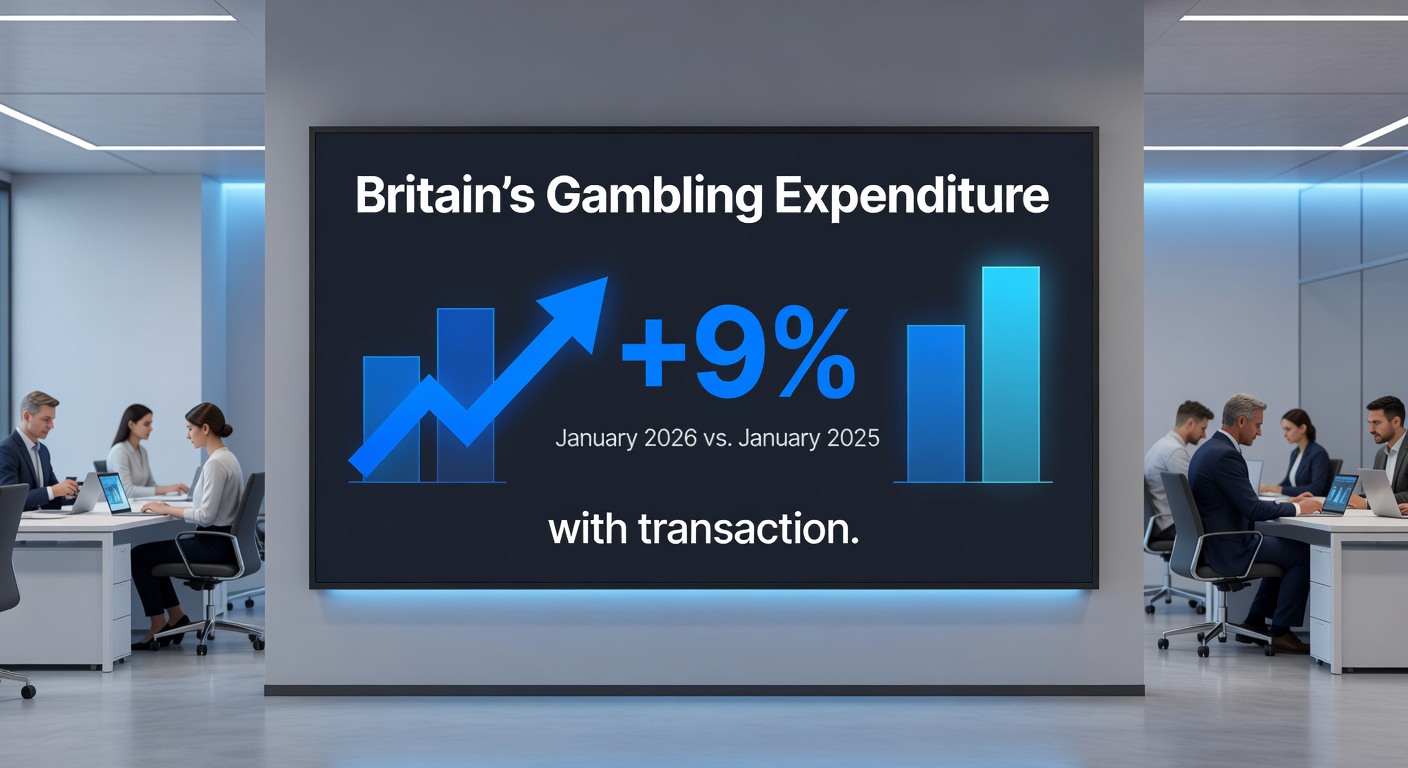
Nationwide Building Society's latest customer transaction analysis reveals a notable uptick in gambling activity among its members; specifically, payments linked to betting rose 9% in January 2026 compared to the previous year, while overall gambling transactions climbed 7% over the same period. This surge coincides with heightened anticipation for major 2026 sporting fixtures, including the FIFA World Cup, UEFA Champions League knockout stages, Royal Ascot horse racing festival, and a slate of rugby union internationals alongside cricket Test series. Data from the building society's internal monitoring underscores how these events draw crowds to wagering platforms, as customers ramp up spending ahead of the action.
What's interesting here is the timing; January often sets the tone for the year in betting circles, yet this year's figures outpace expectations, with observers noting that pre-event hype plays a key role in driving volumes higher. And as February transitioned into March 2026, preliminary indicators from financial watchdogs suggest the momentum hasn't slowed, although full datasets for those months remain pending release.
Survey Insights from 2,000 Bettors Paint Picture of Increased Engagement
A targeted survey of 2,000 UK bettors uncovers that more than two-thirds—precisely 68%—intend to boost their wagering outlays in the months ahead, fueled by the allure of blockbuster tournaments on the horizon. Among these participants, high rollers stand out sharply; top spenders average £745 per month on bets, a figure that draws attention from financial regulators concerned about potential overextension. Researchers conducting the poll highlight how such patterns emerge seasonally, particularly when global spectacles like the World Cup dominate headlines and broadcast schedules.
Take the average punter in this group: they report placing bets across sportsbooks and casino apps, often layering wagers on multiple events to chase bigger payouts, yet the data also flags disparities where casual players coexist with those dipping deeper into pockets. It's noteworthy that this optimism aligns with Nationwide's transaction logs, confirming a groundswell in activity that spans demographics from young adults to seasoned enthusiasts.
Key 2026 Events Fueling the Betting Surge
- FIFA World Cup: The expanded 48-team format kicks off in June, promising months of qualifiers and group-stage drama that bettors circle on calendars early.
- UEFA Champions League: Semifinals and finals in late spring keep European football fans glued, with odds shifting daily on player performances and team clashes.
- Royal Ascot: June's premier flat racing meet draws high-stakes punters to thoroughbred action, where traditions mix with modern online wagering.
- Rugby and Cricket Tournaments: Six Nations rugby wraps early year excitement, while Ashes cricket rematches and domestic T20 blasts extend the frenzy through summer.
These fixtures don't just fill stadiums; they populate betting slips too, as platforms roll out promotions tied to live odds, prop bets, and futures markets, according to figures from GamblingNews. Observers point out that such calendars create a perfect storm, where accessibility via mobile apps amplifies participation rates month after month.
Problem Gambling Metrics Raise Red Flags
Amid the enthusiasm, stark warnings emerge from treatment referrals; GamCare's National Gambling Helpline logged a 50% year-over-year jump in January 2026, directing more individuals toward specialized support services. This spike correlates directly with elevated transaction volumes, as financial institutions like Nationwide deploy algorithms to detect unusual patterns—think rapid deposits to betting sites or chasing losses across sessions. Experts tracking these trends emphasize that while most bettors stay within bounds, the top 10% of spenders account for disproportionate activity, often mirroring the £745 monthly average from the survey.
But here's the thing: early intervention tools, such as self-exclusion prompts and spend limits mandated by the UK Gambling Commission, gain traction precisely when data like this surfaces, helping curb escalation before it spirals. And in March 2026, helpline operators report sustained call volumes, underscoring that the January trend persists into the year's second quarter.
Nationwide's Role in Monitoring and Reporting
As one of the UK's largest building societies, Nationwide processes millions of transactions daily, leveraging sophisticated analytics to spot shifts in consumer behavior; their autumn 2025 internal review had already hinted at rising gambling linkages, setting the stage for January's confirmed upswing. The society shares these anonymized insights publicly not just to inform regulators, but to spotlight broader economic ripples—like how betting spikes influence household budgeting amid cost-of-living pressures.
People who've analyzed similar datasets over years notice patterns repeating: pre-major events, volumes swell 5-10%, then taper post-climax, although digital platforms extend tails longer than brick-and-mortar shops ever did. That said, this 9% payments increase marks among the steeper climbs recently documented, prompting calls for enhanced affordability checks across the sector.
Turns out, collaboration between banks and helplines proves effective; for instance, one case study from prior peaks showed transaction blocks preventing thousands in potential losses, a model now scaling with AI-driven flags.
Implications for Bettors and Regulators Alike
Financial vulnerability looms large for those averaging high monthly stakes, yet surveys reveal most plan measured increases—perhaps £50-100 extra per event—tied to disposable income rather than debt. Data indicates that 32% of respondents stick to budgets, employing tools like deposit caps, while the remaining third eyes bigger plays on favorites like World Cup underdogs or Ascot longshots. Regulators, in turn, scrutinize these metrics closely; the 7% transaction rise prompts reviews of operator compliance, ensuring ads don't overpromise during live broadcasts.
So where does this leave the landscape in March 2026? Early signals from payment processors mirror January's vigor, with sportsbooks reporting steady login surges ahead of spring internationals, although full-year projections await quarterly filings. It's not rocket science: when the ball's in play for these events, wallets follow suit, but safeguards keep the game fair.
Conclusion
Nationwide Building Society's January 2026 data lays bare a betting landscape heating up fast, with 9% more payments and 7% higher transactions signaling fervor for the FIFA World Cup, Champions League, Royal Ascot, and beyond; a survey of 2,000 bettors backs this, as two-thirds gear up to wager more—top spenders at £745 monthly—while GamCare referrals soaring 50% highlight risks demanding vigilance. Observers tracking these flows stress proactive measures, from bank alerts to self-limits, ensuring enjoyment doesn't tip into strain, especially as March trends hint at sustained activity through the sports-packed year ahead.