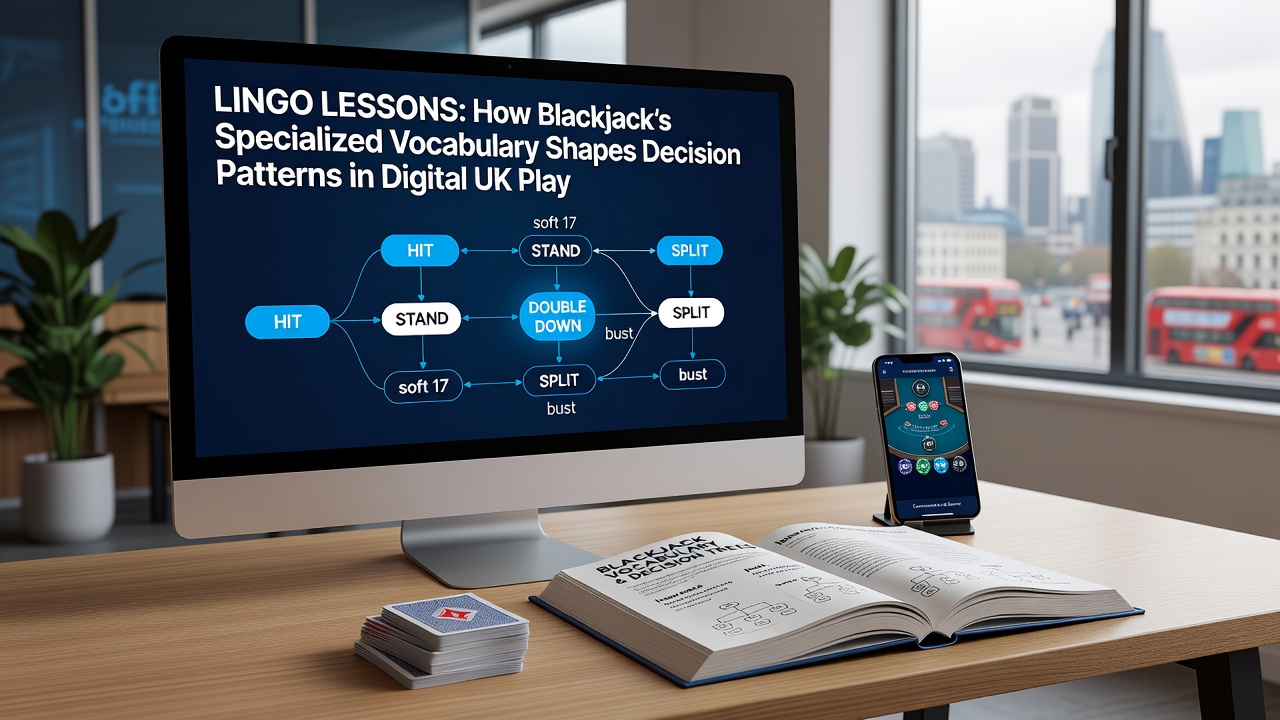
Lingo Lessons: How Blackjack's Specialized Vocabulary Shapes Decision Patterns in Digital UK Play
Blackjack terminology forms a precise system that directs player choices across digital platforms serving UK audiences and this language operates through consistent cues embedded in game interfaces. Terms such as hit, stand, double down, and split appear as clickable options or prompts while additional phrases like insurance, bust, and push convey outcomes that alter subsequent strategy. Observers note that repeated exposure to this vocabulary builds recognition patterns which accelerate responses during timed rounds and data from multiple operator reports indicate that players who internalize these expressions adjust their betting sequences more rapidly than those who rely solely on visual icons.
Core Vocabulary Elements and Their Functional Roles
Each term carries operational weight that extends beyond simple definition. A hard hand refers to a total without an ace counted as eleven whereas a soft hand includes that flexible value and the distinction prompts different hitting thresholds when totals reach thirteen through sixteen. Split applies when two cards of equal rank appear and the option divides them into separate hands each requiring independent decisions. Insurance activates after a dealer shows an ace and it protects against blackjack while reducing net exposure in specific situations. These labels appear consistently in software menus across UK-accessible sites and their presence structures the sequence of actions available at each decision point.
Additional expressions shape risk perception. Bust signals an automatic loss when totals exceed twenty-one and push denotes a tie that returns the original wager. Researchers examining online session logs have documented that players who correctly interpret these signals pause less frequently before confirming choices and this reduction in hesitation correlates with steadier progression through multiple hands per minute.
Decision Patterns Emerging from Linguistic Cues
Digital interfaces display vocabulary in fixed positions which creates predictable visual scanning habits. Players often fixate first on the hit and stand buttons before evaluating double or split options and this order mirrors the priority sequence taught in basic strategy charts. Studies tracking eye movements during simulated play reveal that frequent users of the platform develop shorter dwell times on terminology once mastery occurs while novices linger longer on explanatory pop-ups that define each action.
Terminology also influences bet sizing. Phrases connected to doubling and splitting encourage larger wagers when conditions align and data compiled from platform analytics show elevated average bet amounts immediately following displays of soft-hand indicators. Conversely repeated encounters with bust notifications correlate with more conservative subsequent stakes in the same session. Such shifts demonstrate how language reinforces feedback loops that refine ongoing choices without requiring external calculation tools.
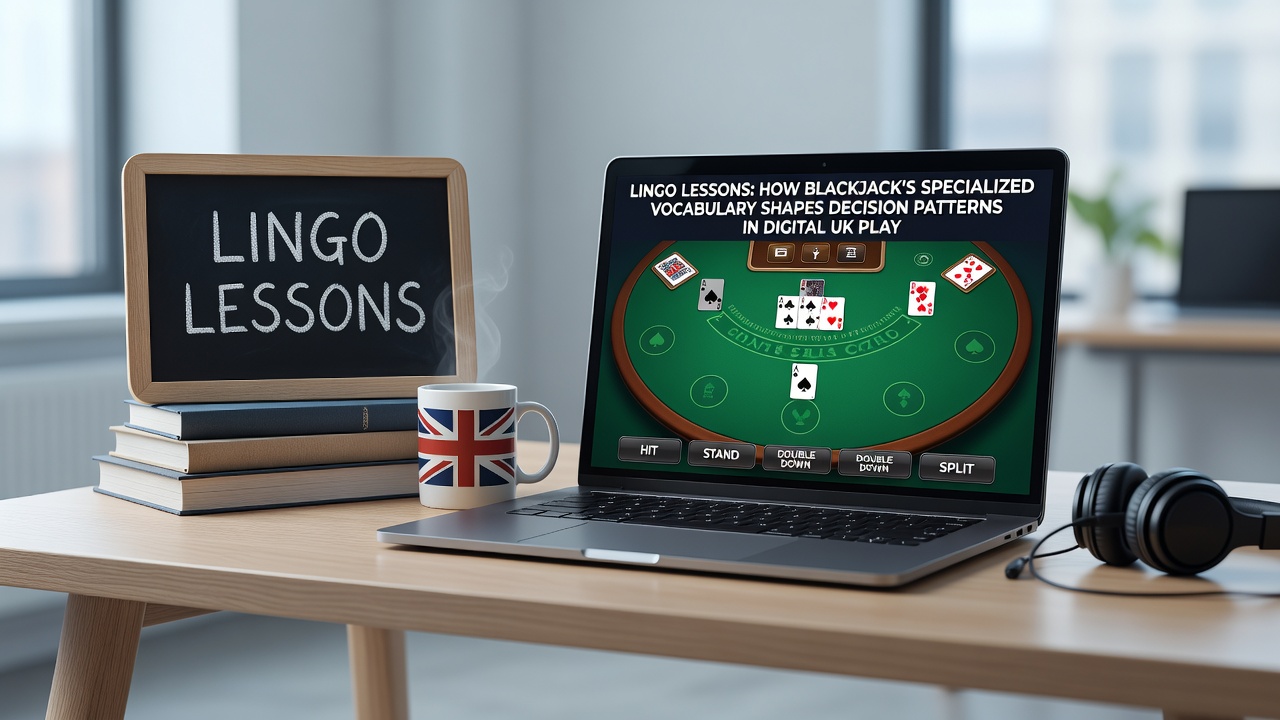
Integration Within UK Digital Environments
UK-facing platforms maintain uniform terminology across desktop and mobile formats which supports seamless transitions between devices. Regulatory updates scheduled for implementation by July 2026 emphasize clearer labeling of options and this standardization further embeds specialized language into routine gameplay. Operators report that tutorial modules introducing terms such as even money and surrender appear at onboarding stages and completion rates for these modules exceed eighty percent among new registrants according to aggregated industry figures.
Pattern recognition extends to multi-hand formats where vocabulary must be applied across parallel tables simultaneously. Players managing several active rounds rely on consistent phrasing to avoid misapplication of actions and session data indicate fewer errors occur when terminology remains identical across all displayed positions. The repetition strengthens associative memory which in turn supports faster identification of advantageous moments for doubling or splitting without additional confirmation steps.
Evidence from Broader Gaming Research
Analyses conducted by the Pennsylvania Gaming Control Board on digital table games highlight how standardized terminology reduces cognitive load during rapid play sequences. Comparable findings from the Victorian Commission for Gambling and Liquor Regulation in Australia suggest that players exposed to repeated linguistic reinforcement exhibit steadier adherence to optimal decision trees over extended sessions. These cross-regional observations align with patterns observed in UK digital environments where vocabulary mastery appears linked to sustained engagement metrics.
Conclusion
Blackjack terminology operates as an embedded decision architecture within digital UK play and its consistent application across interfaces guides both immediate actions and longer-term betting adjustments. As platforms continue to refine labeling standards through 2026 the role of specialized vocabulary in shaping response patterns remains central to how participants navigate each hand. Continued examination of session data from diverse regulatory sources underscores the measurable influence these terms exert on player behavior across online environments.