Interface Arrangements and Their Impact on Betting Behaviors in British Online Blackjack Environments
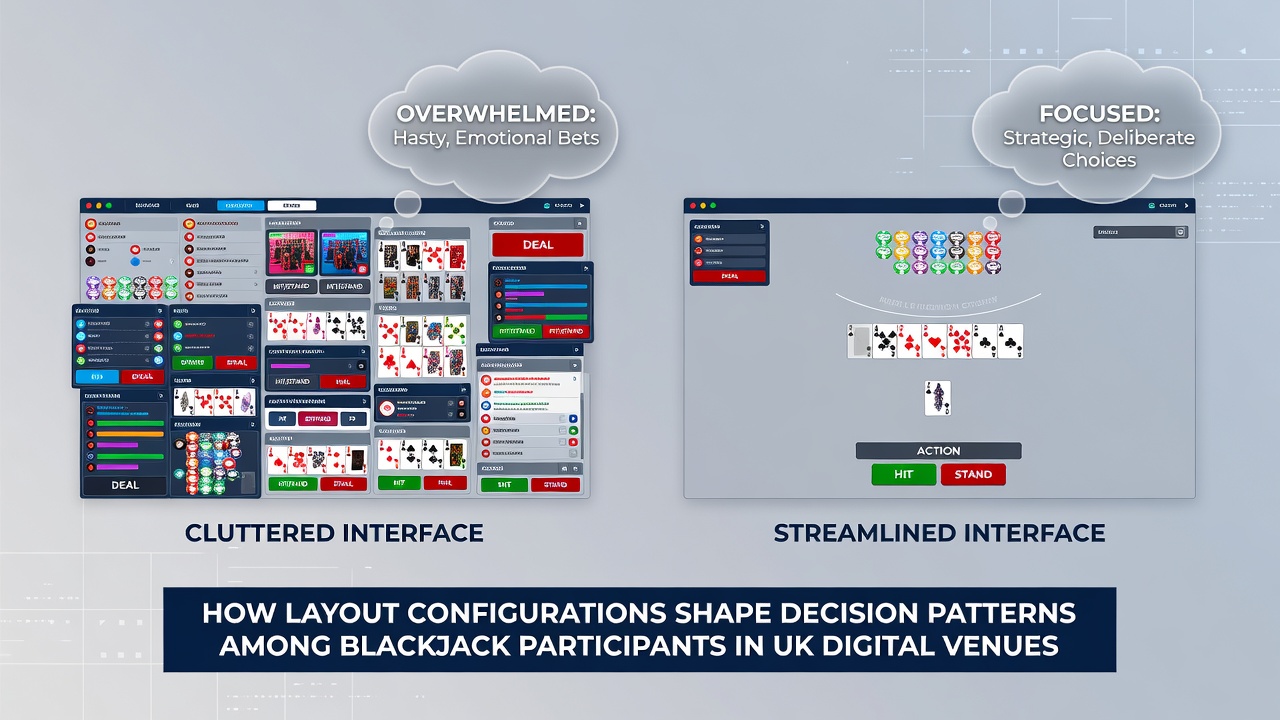
Digital platforms in the United Kingdom present blackjack through carefully arranged interfaces that position betting controls, card displays, and action buttons in specific patterns, and these arrangements guide how participants select hit, stand, double, or split options during play sessions. Observers note that screen elements such as central card areas, side panels for chip stacks, and bottom-row action keys create visual flows that direct attention toward particular choices, while data from gaming analytics firms shows consistent shifts in decision timing when layouts change across different sites.
Core Elements of Digital Blackjack Layouts
UK online venues typically organize blackjack screens with a central playing field for cards, a lower section for wager adjustments via sliders or preset buttons, and right or left margins for game history logs plus payout tables, and these placements affect how quickly users process information before committing to an action. Research from European gaming technology institutes indicates that participants interact more frequently with prominently placed hit buttons when they occupy the left side of the action bar, whereas stand options positioned centrally correlate with longer deliberation periods according to clickstream analyses conducted through 2025.
Color contrasts and spacing between elements also play measurable roles, since darker backgrounds with highlighted green or red action keys draw faster selections in multiple platform audits, while crowded layouts with overlapping informational pop-ups lead to higher rates of default minimum bets in recorded sessions. Industry reports compiled by Canadian research centers reveal that when bet amount fields sit adjacent to the card area rather than below it, average wager sizes increase by noticeable margins during evening peak hours.
Observed Decision Patterns Linked to Specific Configurations
Participants in British digital venues demonstrate repeatable tendencies based on layout variations, including quicker doubling decisions when the double button appears larger and closer to the primary action cluster, and this pattern holds across multiple operator interfaces tracked in longitudinal studies. Data collected up to June 2026 from platform monitoring tools shows that vertical scrolling requirements for viewing full rule sets reduce the frequency of strategy card consultations mid-hand, leading instead to reliance on visual cues from the main table display.
One documented case involves platforms that cluster insurance and surrender options in expandable menus, where users select these less often compared to layouts that keep all secondary actions visible at all times, and similar findings appear in academic papers examining digital decision environments across various gaming jurisdictions. The arrangement of real-time statistics panels, such as recent hand outcomes displayed above the betting zone, further influences subsequent choices by prompting adjustments in bet sizing after sequences of losses or wins.
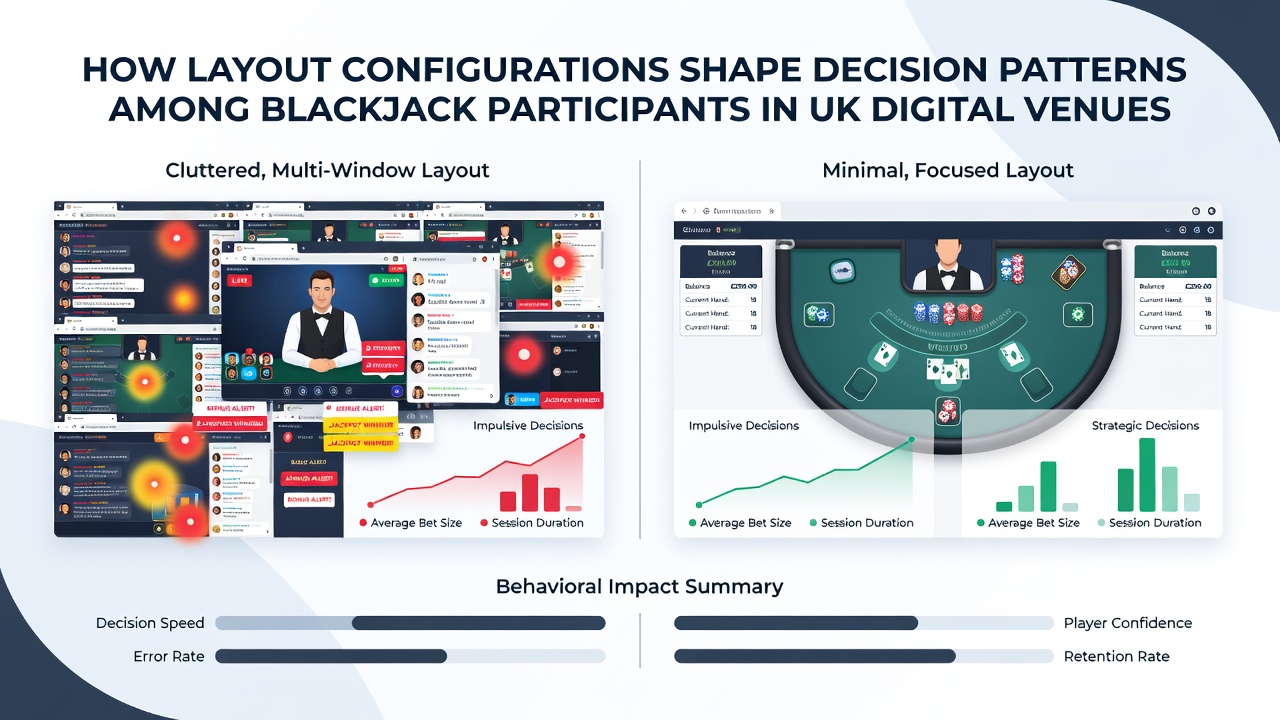
Comparative Analysis Across Platform Designs
Different UK operators employ distinct layout philosophies that produce varying participant behaviors, with some favoring minimalist designs that isolate core actions to reduce distractions while others integrate multiple information layers that encourage extended engagement with secondary features. Figures from Australian interactive gaming associations highlight how touch-optimized mobile layouts, featuring thumb-reachable button zones, result in higher split frequencies among users compared to desktop versions with mouse-driven selections spread across wider screen areas.
Transitions between portrait and landscape modes on mobile devices also alter decision speeds, since rotated views reposition the deck and discard pile in ways that change visual scanning paths, and platform logs confirm these shifts occur consistently without requiring changes to underlying game mathematics. What's interesting is that sites incorporating progressive bet suggestion overlays near the chip selector see temporary increases in following those prompts before users revert to personal patterns in subsequent hands.
Technological and Regulatory Context in Mid-2026
By June 2026 several UK platforms had implemented adaptive layout testing that responds to individual session data by subtly rearranging button emphasis, and early results shared through industry consortium updates point to measurable differences in average decision latency across test groups. These developments build on earlier frameworks established by international bodies focused on responsible gaming technology standards, where emphasis remains on transparent display of probabilities rather than persuasive positioning of controls.
Observers tracking these evolutions note that regulatory environments outside the primary UK oversight structure, including frameworks from New Jersey and Malta-based authorities, continue to shape how operators balance engagement features with clear presentation of game information, leading to hybrid layout approaches that appear across multiple jurisdictions.
Conclusion
Layout configurations in UK digital blackjack venues directly correlate with measurable variations in how participants approach each hand through positioning of controls, visibility of information, and flow of visual elements across the screen. Studies and platform data compiled through mid-2026 confirm that small adjustments in arrangement produce consistent shifts in timing, bet sizing, and action selection without altering core game rules, and continued monitoring by research organizations will track further refinements as interfaces evolve.