Echoes from the Card Table: Tracing Blackjack Phrases Through Time and Into Today's Loyalty Programs
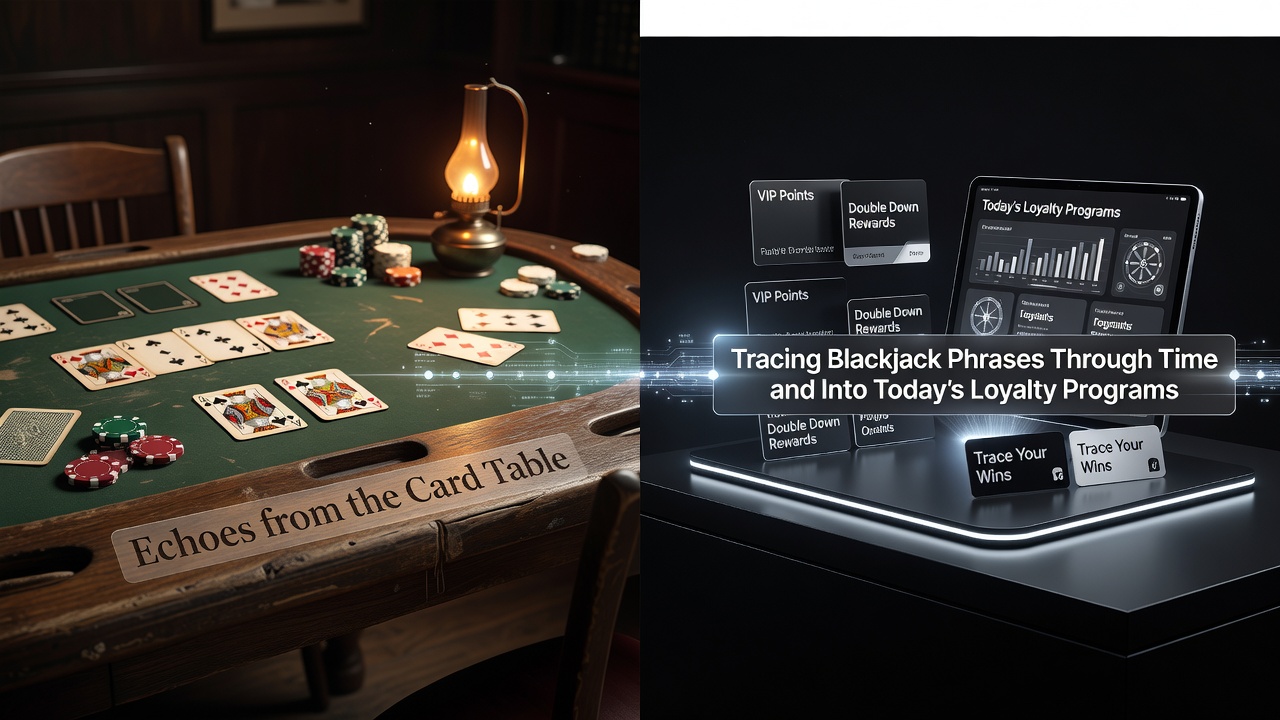
Blackjack terminology has carried forward from European card games of the 17th and 18th centuries into contemporary casino reward structures, where operators apply familiar expressions to describe player progression and benefit tiers. Terms such as "hit," "stand," "double down," and "bust" originated in French and Spanish games like vingt-et-un before migrating to American gambling floors in the 19th century, and data from regulatory filings show these same words now appear in marketing materials for loyalty schemes across multiple jurisdictions.
Origins of Core Blackjack Expressions
Researchers tracing linguistic patterns note that "blackjack" itself emerged in the United States around 1910 as a specific payout variation on twenty-one, where a player received a bonus for an ace and a ten-value card. Earlier records from French gaming houses referred to the game as "vingt-et-un," yet the English adaptation retained action verbs that described decisions at the table. Historians examining period documents from Nevada archives indicate these verbs entered printed rule sheets by the 1930s, establishing a vocabulary that later spread through printed strategy cards and dealer training manuals.
Transmission Into Casino Culture
By the mid-20th century, phrases such as "doubling down" and "splitting pairs" had moved beyond the felt and into everyday casino conversation. Observers of gaming floor operations report that dealers and supervisors used the same shorthand when explaining comps to high-volume players, creating an informal bridge between table decisions and reward calculations. Figures released by the Nevada Gaming Control Board document the growth of player tracking systems in the 1980s, during which operators began logging decisions that aligned with classic terminology to calculate theoretical win and subsequent comp values.
Integration With Modern Loyalty Structures
Contemporary programs translate table actions into points and tier credits, often labeling bonus multipliers with phrases drawn directly from gameplay. One major operator in the United States, for example, offers a "Double Down Tier" that awards additional points after a player reaches a predetermined coin-in threshold, while another program in Australia markets a "Stand Pat" reward level that grants cashback once monthly activity targets are met. Data compiled by the University of Nevada, Las Vegas International Gaming Institute shows that loyalty platforms in 2025 continued to employ these terms because they resonate with players already familiar with table mechanics.
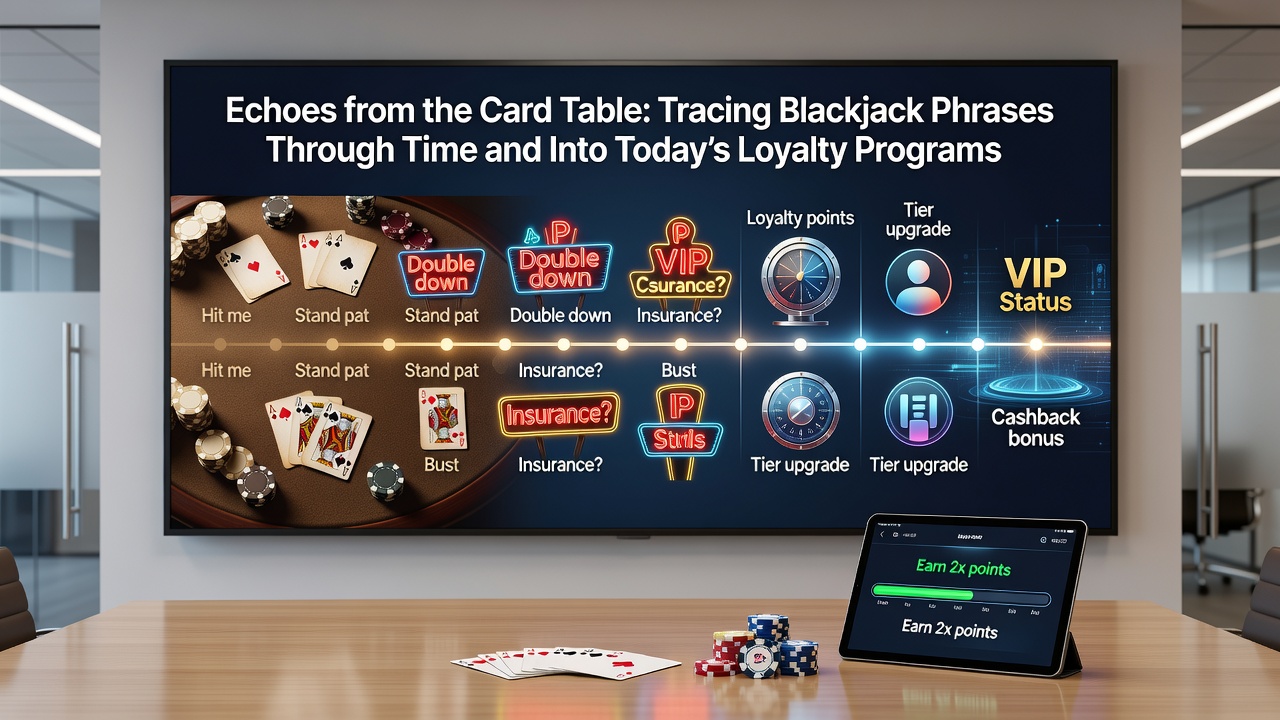
As of June 2026, several North American properties updated their mobile apps to include interactive glossaries that define both traditional blackjack calls and their corresponding loyalty benefits, allowing users to track progress through the same language used at the tables. Industry reports indicate that such features increase engagement metrics by linking familiar vocabulary to reward redemption options.
Regional Variations in Terminology Usage
Regulatory filings from the Alcohol and Gaming Commission of Ontario reveal that Canadian operators frequently incorporate "bust" into loss-limit messaging within loyalty dashboards, reminding players of session-ending thresholds. In contrast, programs licensed by the Malta Gaming Authority have adopted "hit me" style prompts in push notifications that alert members to time-sensitive point multipliers. These differences reflect local marketing preferences while preserving the core lexicon that originated centuries earlier.
Case Examples From Operating Properties
One Atlantic City resort introduced a "Blackjack Elite" tier in 2024 that grants expedited hotel check-in and free play offers scaled to average bet size, directly echoing the game's namesake payout. Another property in Macau labels its highest reward bracket "Natural 21," a phrase referring to the strongest starting hand, and ties it to exclusive tournament invitations. Records maintained by state gaming agencies show these naming conventions correlate with measurable increases in player retention across tracked accounts.
Conclusion
Blackjack terminology has moved from oral tradition at card tables to structured elements within digital loyalty platforms, maintaining continuity across centuries and regulatory environments. Operators continue to draw on this established vocabulary because it connects gameplay mechanics to reward calculations, and available data indicate the practice persists into 2026 across multiple continents. The persistence of these phrases demonstrates how language developed for table decisions now structures player progression systems in contemporary casino operations.